

Jan 6, 2026, 9:00 AM
Anthracnose and Crown Rot in Corn
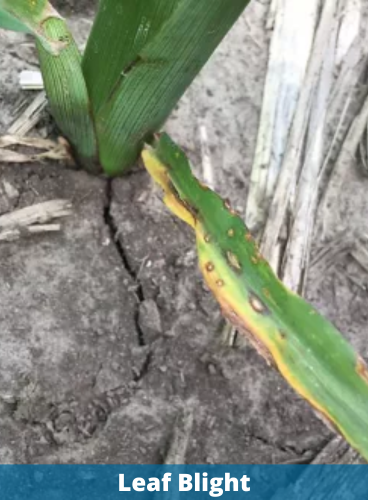
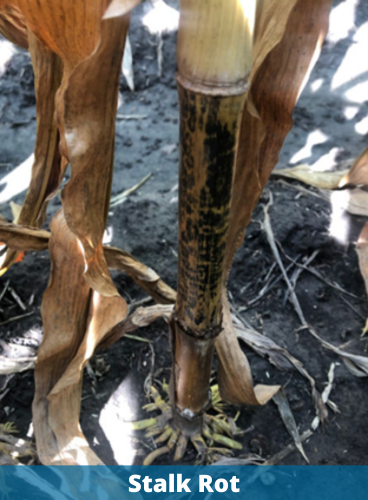
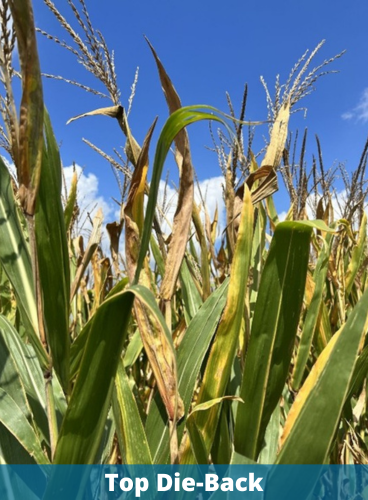
Anthracnose, caused by the fungus Colletotrichum graminicola, is one of the first fungal diseases that can show up in corn. The infection typically enters the plant through the roots and stalks early on. Anthracnose can commonly be found in fields where debris from the previous year was left on the soil. This disease can be more severe in fields that are continuous no-till corn or caused by environmental challenges. (i.e., early frost or wind whipped corn) It is a leaf spot disease when corn is in the seedling stage. Later, it causes leaf blight, top die-back and stalk rot. Leaf blight typically appears in early to mid-June as lesions that are long, irregularly shaped, and can spread across large areas of the leaf. Top die-back occurs 3 to 5 weeks after tasseling, starting at the top of the plant and moving downward. It causes a black discoloration on the stalks. With stock rot the infection leads to node discoloration, which is noticeable when the plant stalk is split open.
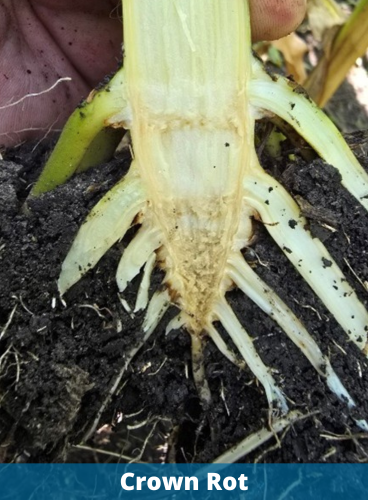
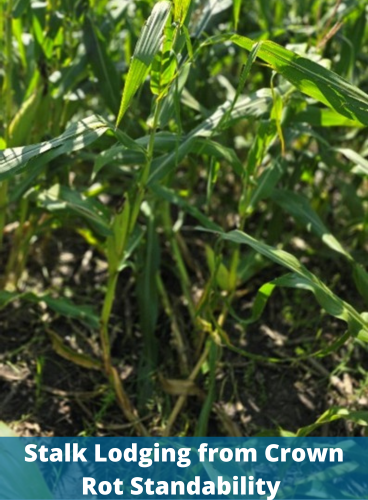
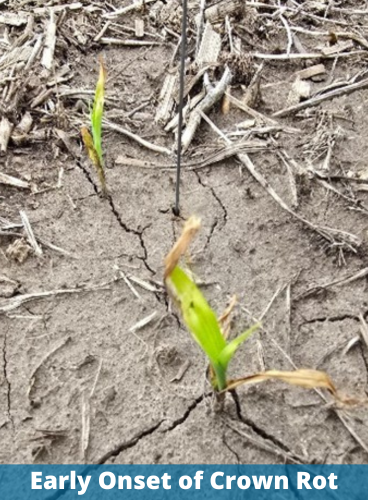
Crown Rot, caused by the Fusarium species, is another fungal disease starting early in the season but showing symptoms later. The pathogens can overwinter on corn residue, and are encouraged by cold, wet, and compacted or poorly drained soil and cold air temperatures that can stress young plants. Symptoms could show up early involving stunted growth and wilted plants, but most show no signs at all. As the plants mature to grain fill, they can die prematurely, leaving greyish looking plants. The best way to tell is to dig up a plant and split the stalk down through the crown. Some discoloration can be seen, depending on severity, the coloring can be darker. Since the crown tissue becomes rotted, the flow of water and nutrients in the vascular tissue (xylem) becomes disrupted. This can lead to cannibalization of the stalk during grain fill, increasing the risk of stalk lodging.
Factors to Consider:
The impact of Anthracnose and Crown Rot on corn yields can vary based on the severity of the infection. Grain fill and test weight can be significantly affected along with harvestability. Several key factors influence the severity of these diseases:
- Weather Patterns: Anthracnose and Crown Rot can be severely affected by cold, wet and humid conditions.
- Corn Residue: The pathogens overwinter in corn residue, leading to a higher risk of infection in following seasons.
- Hybrid Selection: Some corn hybrids are more susceptible to anthracnose and crown rot than others.
- Harvestability: Due to both diseases cutting off the nutrients to the plant during grain fill, it can lead to stalk cannibalization and lodged corn.
Management Steps:
- Proactive Fungicide Application: If weather conditions are conducive to Anthracnose or Crown Rot, applying a fungicide early can help prevent plant stress. Reducing stress on the plant can slow the progression of the diseases and lead to better stalk health later on.
- Reducing Overwintering Pathogen Sources: Minimize the amount of corn residue left in the field by rotating crops and utilizing conventional tillage methods. This will help reduce pathogen buildup and disease pressure in future seasons.
- Hybrid Selection: Choose hybrids with strong stalks and good late-season plant health. Selecting the right hybrid for your field’s disease pressure is a key step in protecting yields. Consult your Legend Seeds team for hybrid recommendations that suit your needs.
- Early Harvest: If Anthracnose or Crown Rot symptoms are severe, early harvesting may be necessary to prevent yield loss from lodging or dropped ears. If more than 10% of the plants in a field show stalk rot or crown rot symptoms during late-season scouting, prioritize that field for harvest.
Summary:
Anthracnose is a visually recognizable disease, Crown Rot, however, can hide its symptoms till grain fill. Regular scouting is essential to assess the extent of the outbreak and take appropriate actions. Crop rotation, proper hybrid selection, and timely harvest are critical strategies to minimize yield loss. For further advice and hybrid recommendations tailored to your acres, reach out to your Legend Seeds team.
References: